
TAC Sponsor Spotlight Article — AECOM
Road safety is shaped by more than pavement, signs and traffic volumes. It is shaped by how people use a transportation corridor, how communities are connected to one another, and how infrastructure responds to the needs of the people who rely on it every day.
For Indigenous communities, considering these factors is particularly important. Equity in transportation means ensuring the specific transportation needs of Indigenous communities are considered and addressed. This can require looking beyond conventional highway performance measures to understand how a corridor functions as part of a community.
AECOM’s Highway 2/102 Holistic Approach to Functional Planning Study in northern Saskatchewan provides an example of how this perspective can be incorporated into transportation planning.

A critical connection for northern communities
In 2018, the Saskatchewan Ministry of Highways engaged AECOM to complete a Functional Level Study for Highways No. 2 and 102 through the Tri-community of the Lac La Ronge Indian Band, the Village of Air Ronge and the Town of La Ronge.
The Tri-community each have their own municipal governing system and when considered separately are villages or towns; however, if considered together, they would have a total population of a small city.
Highways 2 and 102 serve a range of users and purposes: local commuters and deliveries, pedestrians, tourists towing boats and campers, and heavy vehicles supporting industries including forestry and uranium. The corridor is more than a provincial highway. In many locations, it also functions as a local street, a business access route, and a connection between communities.
That complexity was reflected in the safety challenges identified through the study. Traffic volumes varied substantially along the corridor, while direct driveway access, turning movements, heavy vehicles and inconsistent pedestrian crossing treatments created potential points of conflict. Pedestrian safety was a particular concern: since 2007, four pedestrian fatalities had occurred within the study area.
The challenge was to develop a long-term plan that could respond to these different functions while improving safety and maintaining the corridor’s role as a vital connection for the region.
Applying a holistic approach to safety
AECOM approached the study through a combination of functional planning, Vision Zero principles, and a Safe System methodology.
Rather than considering individual safety treatments in isolation, the study examined how the corridor could function as a whole. The planning process considered the relationship between speed, access, roadside design, pedestrian and vehicle movements, emergency access, and future traffic demand.
The resulting plan established a three-phase implementation framework:
- Short term: 0–5 years
- Intermediate term: 6–10 years
- Long term: beyond 10 years
This phased approach allowed recommendations to respond to projected traffic growth, observed safety concerns and priorities identified through engagement, while providing a framework that could evolve as conditions changed.
The study also considered opportunities to create a clearer hierarchy along the corridor, establish appropriate operating speeds, improve access management, and separate modes where conflicts existed. Roadside and access treatments were considered with the goal of minimizing hazards and supporting safe, predictable road-user behaviour.
The result was a functional plan intended to help planners, designers, and traffic engineers make coordinated decisions about the future of the corridor.
Putting community needs into the planning process
Technical analysis was only one part of the study.
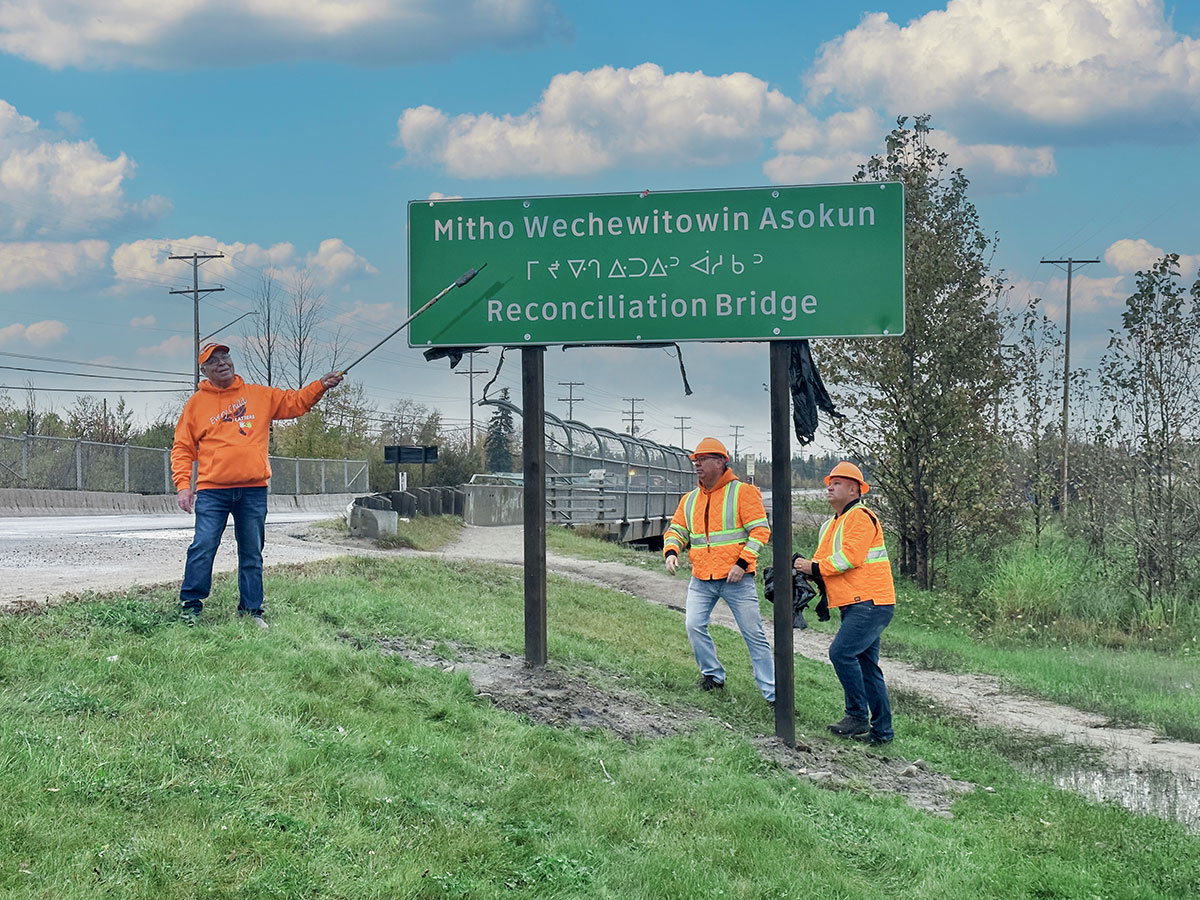
Since the corridor passes through three distinct communities with their own governing structures, priorities and experiences, understanding local transportation needs was central to the planning process. Public and stakeholder engagement — including the Duty to Consult process — helped inform the study and identify issues that might not be captured through traffic data alone.
Engagement also had to adapt to circumstances. During the COVID-19 pandemic, AECOM incorporated virtual engagement platforms alongside traditional approaches, helping maintain opportunities for community participation while in-person engagement was restricted.
This is an important consideration when applying an equity lens to transportation planning: the objective is not simply to provide the same transportation solution everywhere, but to understand what different communities need from their transportation infrastructure.
For Indigenous communities, that means creating opportunities for community perspectives to inform decisions about how infrastructure interacts with daily life, mobility, safety and access.
Designing for the corridor that exists — and the community it serves
The Highway 2/102 study demonstrates how functional planning can bring together technical requirements and community context.
Its recommendations considered not only projected traffic volumes and highway capacity, but also pedestrian safety, access, emergency response, environmental and geotechnical conditions, and the different ways people use the corridor.
This holistic perspective can be particularly valuable in northern and Indigenous communities, where a single transportation corridor may serve many roles simultaneously and where infrastructure decisions can have a direct impact on community connectivity.
Equity in Indigenous road safety is therefore not a separate consideration from engineering. It can be incorporated into the way transportation professionals define the problem, engage communities, evaluate alternatives and plan for the future.
For Highway 2/102, the result was a phased, adaptable framework designed to improve safety and corridor function while reflecting the realities of the communities it serves.
Ultimately, safer transportation infrastructure begins with understanding who uses it, how they use it, and what they need from it. Bringing those perspectives into functional planning can help transportation professionals develop solutions that are not only technically sound, but responsive to the communities and people who depend on them.